Overview of Limestone Crushers in Mining
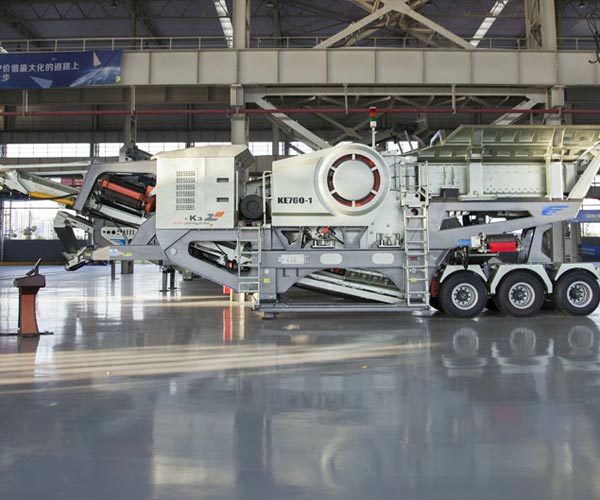
Limestone crushers are designed to handle heavy loads and operate continuously in mining environments. These machines break raw limestone into smaller pieces suitable for further processing.
Common roles of limestone crushers in mining include:
- Primary crushing: Breaking large mined limestone rocks into manageable sizes.
- Secondary crushing: Further reducing stone size for specific industrial uses.
- Material preparation: Producing aggregates used in cement, asphalt, and construction.
Typical features of modern limestone crushers include:
- Heavy-duty steel structures for durability
- High crushing ratios to reduce rock size quickly
- Energy-efficient motors for long-term operation
- Adjustable discharge settings for different material sizes
Mining operations often require crushers that can operate under harsh conditions such as dust, vibration, and high workload. Because of this, industrial-grade crushers tend to cost more than standard aggregate crushers used in small quarries.
Typical Price Range of Limestone Crushers
The price of limestone crusher machines varies widely depending on size, capacity, and configuration. Mining projects often require customized equipment setups.
Typical price ranges include:
- Small limestone crushers:
- Usually cost between $10,000 and $50,000
- Suitable for small quarries or pilot projects
Medium-capacity crushers:
Generally priced from $50,000 to $150,000
Common in mid-size mining operations
Large industrial crushers:
Can range from $150,000 to over $500,000
Used in high-capacity mining plants and cement factories
Additional components may increase the total investment:
- Vibrating feeders
- Screening equipment
- Conveyor systems
- Dust suppression units
When these systems are combined into a complete crushing plant, the total project cost may reach several million dollars.
Comparing Jaw Impact and Cone Crushers Types
Different crusher types are used at various stages of limestone crushing. Each type has unique price levels and performance advantages.
Jaw Crushers
- Usually used for primary crushing
- Simple structure and reliable operation
- Lower purchase cost compared to cone crushers
- Ideal for handling large rocks
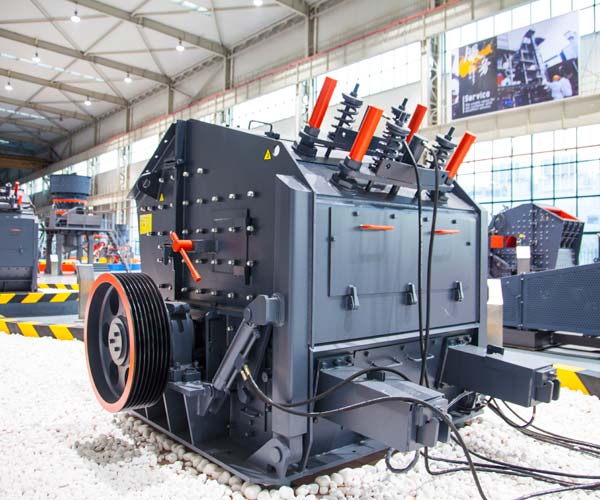
Impact Crushers
- Commonly used for secondary crushing
- Produce more uniform particle shapes
- Higher wear part replacement costs
- Suitable for softer stones like limestone
Cone Crushers
- Often used in secondary or tertiary stages
- Provide consistent product size
- Higher initial investment cost
- More efficient for high-capacity operations
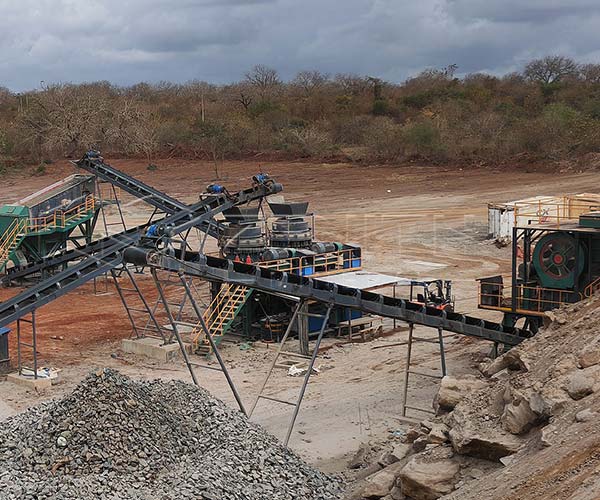
Mining companies typically combine multiple crushers in one processing line. For example:
- Jaw crusher for primary reduction
- Impact or cone crusher for secondary processing
- Screening systems for final product classification
The combination chosen directly affects total equipment cost.
Capacity and Automation Impact on Pricing
Crusher capacity and automation level are two major factors influencing machine prices in mining projects.
Production capacity
- Small machines: 50–100 tons per hour
- Medium machines: 100–300 tons per hour
- Large mining crushers: 300–1000+ tons per hour
Higher capacity requires:
- Larger motors
- Stronger frames
- Advanced cooling and lubrication systems
These improvements increase manufacturing costs and selling prices.
Automation technology
Modern mining crushers may include:
- Remote monitoring systems
- Automatic feeding control
- Hydraulic adjustment mechanisms
- Intelligent overload protection
Benefits of automation include:
- Reduced labor requirements
- Improved safety
- Consistent product quality
- Higher operational efficiency
However, advanced automation systems can increase equipment prices by 10–30%.
Real-World Limestone Crusher Price Examples for Mining Projects from Leading Suppliers
Current market listings highlight affordable entry points.
- small mobile limestone crusher: $98,500+; capacity 20-30 TPH, ideal for small mining ops.
- C6X Jaw Crusher: $175,000, 6-55 TPH, suited for mid-scale limestone quarries.
- Jaw Crusher: $329,500, 30-150 TPH, high-output for larger projects.
- Alibaba offers budget Chinese imports under $30,000 for basic models, though quality varies.
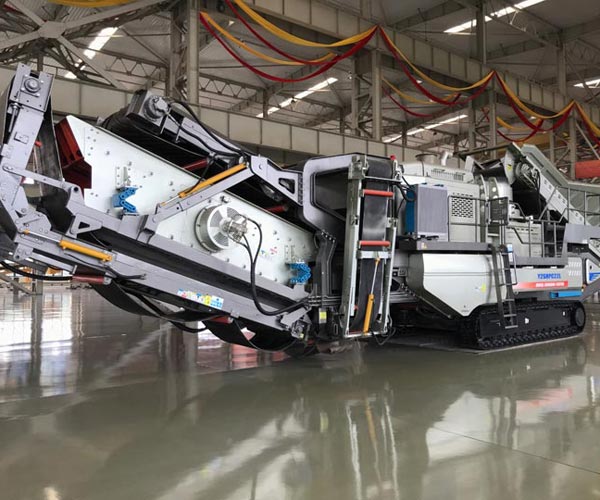
This compact jaw crusher setup demonstrates mobility key to modern limestone mining sites.
Maintenance Tips to Maximize Longevity and Value of Limestone Crushers in Mining Projects
Proper care cuts lifetime costs by 20-30%.
- Daily: Inspect jaws/cones for wear, lubricate bearings.
- Weekly: Check belts, clean dust from limestone fines.
- Annually: Replace liners, align for optimal TPH.
 No. 1688, East Gaoke Road,Pudong new district, Shanghai, China
 WhatsApp: