Detailed Overview of Stone Crushing Machine Categories
Stone crushers come in several types designed for specific tasks within the crushing process. The main categories include:
- Jaw Crushers: Ideal for primary crushing and medium-hard materials such as granite or basalt. They are simple in structure, affordable, and easy to maintain.
- Impact Crushers: Designed for medium-soft materials and producing finely graded aggregates. Often used in road construction and recycling projects.
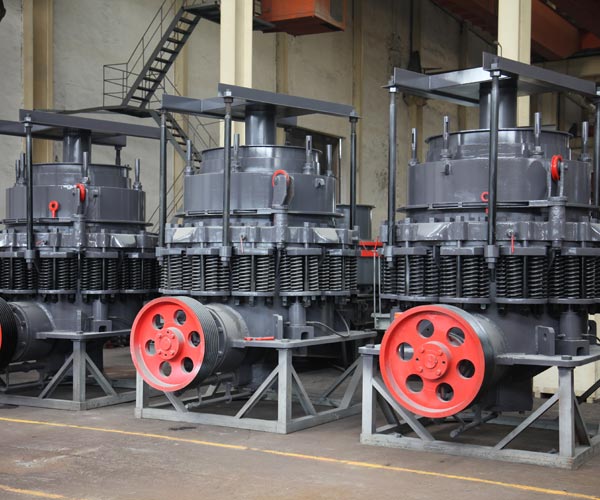
- Cone Crushers: Suitable for secondary and tertiary crushing, handling hard, abrasive stones efficiently with high reduction ratios.
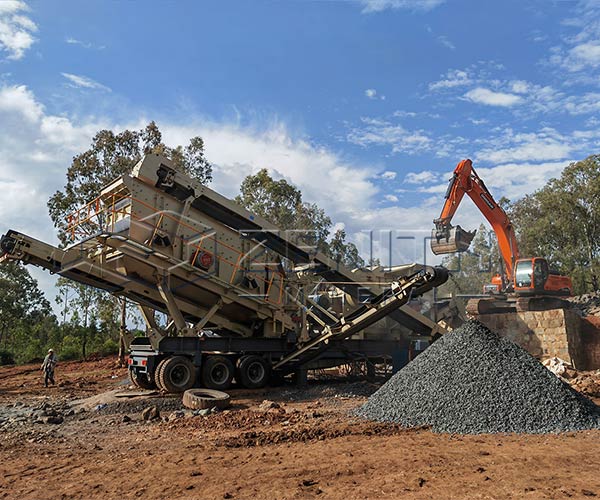
- Mobile Crushers: Provide flexibility and portability, allowing users to crush stones directly at construction sites or temporary quarries.
- Hammer Crushers: Used in small-scale operations and industries with less demanding output requirements.
Each type serves a unique purpose, influencing both the machine’s purchase price and operational costs over time.
Factors That Influence Stone Crusher Machine Prices
The cost of a stone crusher machine varies significantly based on several pricing factors:
- Production Capacity: Machines with higher output—measured in tons per hour—are more expensive due to heavy-duty designs and stronger motors.
- Technology and Automation: Advanced models with computerized control systems, automatic feeding, and efficiency optimizations cost more but reduce labor expenses.
- Material Quality: Crushers made from robust alloys or with reinforced parts last longer, justifying their higher initial price.
- Brand Reputation: Well-known manufacturers often charge premium prices because of reliability, service availability, and spare parts quality.
- Country of Manufacture: Machines made in Europe or Japan typically cost more than those produced in China or India, though performance may be similar.
After-Sales Service: Warranty terms, installation support, and spare part access all influence long-term costs.
Understanding these elements ensures buyers assess total ownership costs—not just the purchase price.
Price Ranges for Small-Scale Crushing Projects Worldwide
Small-scale stone crushing operations, like those found in community construction or local quarrying, often seek economically priced machines that are easy to operate.
Common price ranges include:
- Mini Jaw Crusher: $1,000–$5,000 (ideal for laboratory testing or small-scale production).
- Small Portable Crusher: $3,000–$15,000 depending on motor power and production rate.
- Small Impact or Hammer Crusher: $5,000–$25,000 for units producing up to 30 tons per hour.
- Mini Mobile Crusher Plants: $15,000–$40,000 for compact self-contained units.
These machines are suitable for entrepreneurs and contractors starting new aggregates or demolition recycling ventures.
Large-Scale Industrial Stone Crusher Price Spectrum
For large-scale mining operations and infrastructure projects, heavy-duty stone crushers offer higher output capacities.
Their price points reflect machinery complexity and durability:
- Industrial Jaw Crusher: $40,000–$100,000, equipped for 200+ tons per hour capacities.
- High-Performance Cone Crusher: $70,000–$250,000 for systems used in advanced crushing stages.
- Impact Crushers (Large Format): $60,000–$200,000 with high rotor speeds for fine aggregates.
- Complete Crushing Lines: $150,000–$500,000 or more for fully automated setups with conveyors, screens, and feeders included.
Large projects require machines that ensure continuous production and minimal downtime, making reliability as critical as price.
Comparing Prices Between Portable and Stationary Crushers
When choosing between portable and stationary stone crushers, cost structure and operational flexibility are key considerations:
Portable Crushers: Higher initial cost (about 20–30% more) due to wheels and hydraulic mobility. However, these units reduce material transportation costs and can move between job sites.
Stationary Units: More affordable in purchase price but may incur higher site preparation costs. Best for long-term use in fixed quarrying locations.
Many buyers evaluate total life-cycle expenses, including fuel consumption, maintenance, and relocation efforts, before deciding which option best fits their project model.
Maintenance and Operating Costs Affecting Price Value
Beyond purchase price, operational economics significantly affect investment value. Owners should monitor:
- Fuel and Energy Use: Electric drives are cheaper to run than diesel engines over time.
- Wear and Tear: Crushers endure intense mechanical stress; therefore, regular part replacements—like jaw plates or rotor tips—are essential.
- Downtime Reduction: Machines with efficient lubrication systems and easy access panels lower maintenance labor costs.
- Operator Skill Requirements: More advanced systems require trained personnel, which can be an additional hidden cost.
Selecting equipment with readily available spare parts and accessible technical support helps reduce long-term expenditures.
Expert Advice for Buyers in Emerging Construction Sectors
For buyers in developing markets or small enterprises, the following practical advice applies:
- Conduct Market Comparisons: Seek multiple quotes from manufacturers and local distributors.
- Inspect Technical Specifications Carefully: Ensure capacity and motor power align with operational needs.
- Prioritize Durability Over Discounts: A slightly higher-quality unit often saves significant repair costs later.
- Evaluate Shipment and Import Taxes: Transport expenses can substantially raise final purchase costs.
- Check Customer Reviews: Reliability and service records speak louder than listed specifications.
A well-researched investment decision ensures the stone crusher yields consistent returns throughout its service life.
 No. 1688, East Gaoke Road,Pudong new district, Shanghai, China
 WhatsApp: