Email Us:
[email protected]
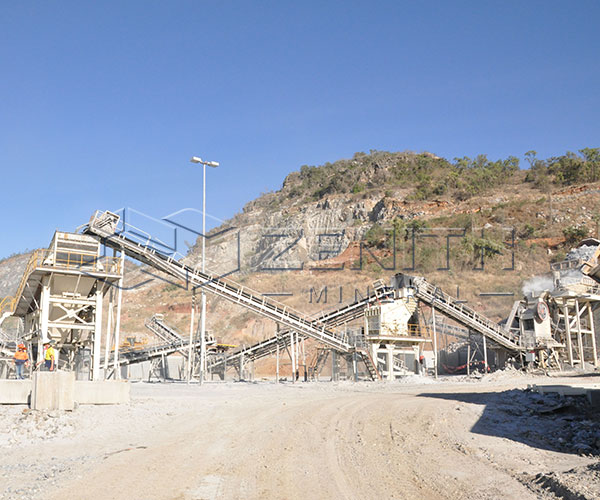
Philippines’s construction industry has created strong demand for high-quality aggregates used in roads, highways, bridges, commercial buildings, and infrastructure projects. As urbanization and transportation development continue, aggregate producers need reliable stone crushing equipment to process different types of rocks into various sizes of construction materials.
Choosing the right stone crushing machine is essential for maintaining production efficiency, controlling operating costs, and meeting aggregate quality requirements. Different crushers have different advantages depending on raw material hardness, feed size, production capacity, and final product specifications.
This article introduces the top 5 stone crushing machines for aggregate production in Philippines, explaining their working principles, advantages, applications, and how to select suitable equipment for different crushing projects.
Philippines has abundant natural resources, including granite, basalt, limestone, river pebbles, and other rocks suitable for aggregate production. These materials are widely used in construction and infrastructure development.
For Philippinesese aggregate producers, selecting suitable crushing equipment can improve production stability, reduce wear-part consumption, and produce aggregates that meet project specifications.
Jaw crushers are among the most widely used machines in aggregate production. They are generally installed at the beginning of a stone crushing production line to reduce large rocks into smaller particles for subsequent processing.
Jaw crushers are particularly suitable for primary crushing in medium and large aggregate production plants. For example, granite and basalt quarries can use jaw crushers to reduce large raw stones before secondary crushing.
Common equipment options include PE, PEW, and C6X series jaw crushers. The appropriate model depends on feed size, required capacity, and material characteristics.
Cone crushers are widely used for secondary and tertiary crushing, especially when processing hard and abrasive materials. They are an important choice for Philippinesese quarries producing granite, basalt, and river pebble aggregates.
Cone crushers are particularly suitable for granite and basalt aggregate production. They can reduce primary-crushed materials into smaller sizes, such as 5–10 mm, 10–20 mm, and 20–40 mm.
Popular equipment options include spring cone crushers, HST single-cylinder hydraulic cone crushers, and HPT multi-cylinder hydraulic cone crushers.
For high-capacity aggregate plants, hydraulic cone crushers can provide efficient crushing performance and convenient adjustment.
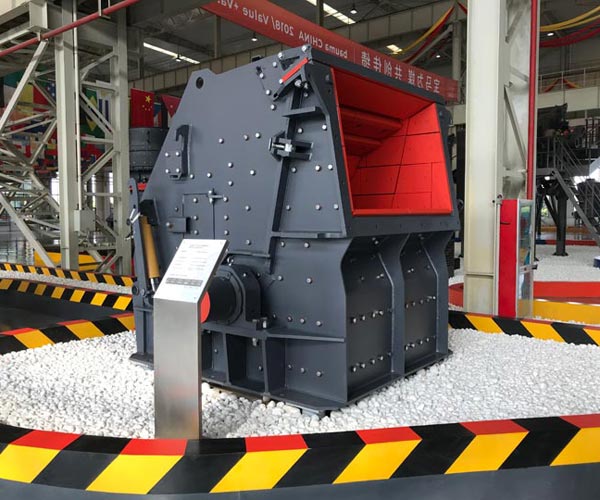
Impact crushers use impact force rather than compression as their primary crushing mechanism. They are commonly used for processing limestone and other materials with suitable hardness and abrasiveness.
They are particularly useful when aggregate producers need well-shaped final products.
Impact crushers are suitable for limestone quarries and aggregate plants that prioritize particle shape.
They can produce aggregates for concrete, road construction, and other building applications.
However, when processing highly abrasive granite or basalt, blow-bar wear can become a significant operating cost. Therefore, producers should evaluate material abrasiveness before selecting an impact crusher.
PF and PFW series impact crushers are common equipment options for these applications.
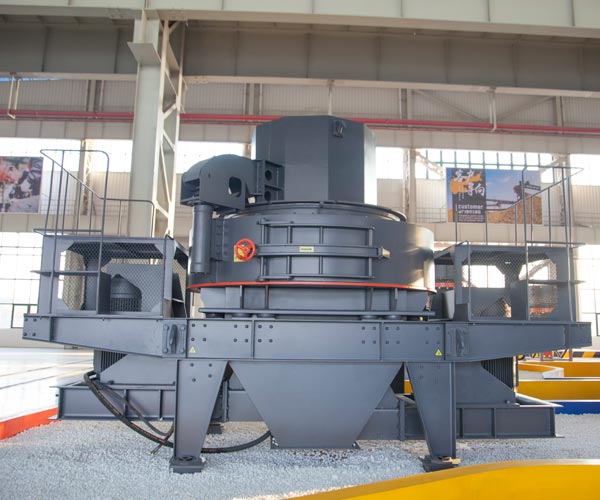
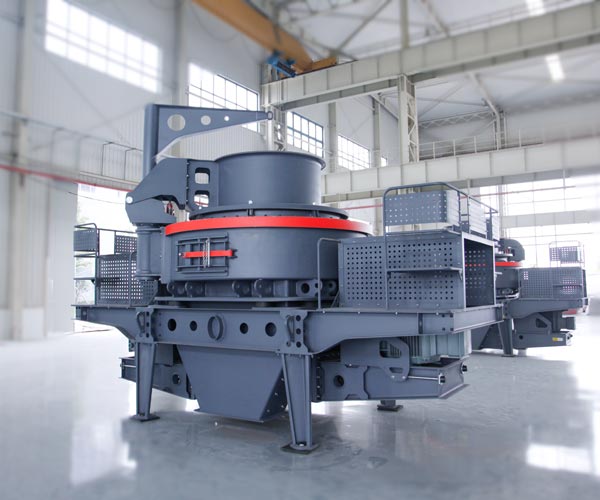
VSI (Vertical Shaft Impact) crushers are specialized machines used for fine crushing and particle shaping. They are particularly important in manufactured sand production, where the final product needs suitable particle size distribution and shape.
As natural sand resources become more constrained in some areas, manufactured sand provides an alternative source of construction materials for Philippines’s construction industry.
VSI crushers are suitable for processing granite, basalt, limestone, and other materials into manufactured sand.
They are commonly installed after jaw and cone crushers in complete sand-making production lines.
For example, a granite processing plant may use a jaw crusher for primary crushing, a cone crusher for secondary crushing, and a VSI crusher for final shaping and sand production.
SBM offer different VSI sand-making equipment configurations for aggregate and manufactured sand applications.
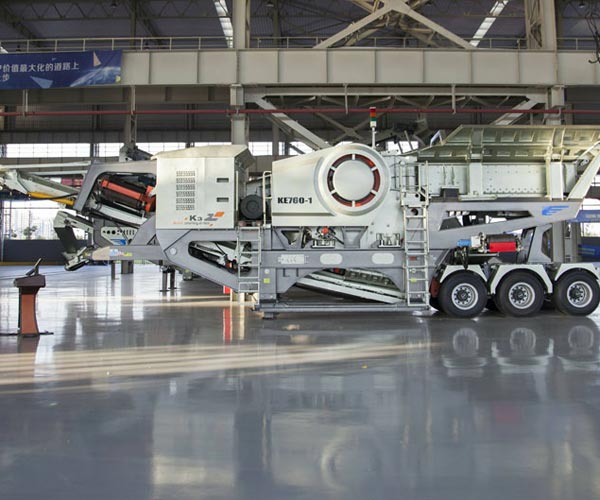
Mobile crushing plants integrate crushing equipment, feeders, conveyors, and other components onto a mobile chassis or tracked platform. Compared with stationary crushing plants, they offer greater flexibility for projects that require frequent relocation.
They are particularly useful for temporary construction projects, remote quarries, and aggregate operations with changing production locations.
Mobile crushing plants are suitable for road construction, infrastructure projects, remote quarries, and temporary aggregate production sites.
Depending on production requirements, buyers can select mobile jaw crushers, mobile impact crushers, or mobile cone crushers.
For example, a mobile jaw crusher can handle primary crushing, while a mobile cone crusher can process hard rocks into smaller aggregate products.
However, for large-scale quarries with stable production locations and long-term operating requirements, stationary crushing plants may offer better overall production economics.
Selecting suitable crushing equipment requires evaluating several important factors rather than simply comparing machine prices.
The actual capacity depends on feed size, material properties, discharge settings, and plant configuration.
Consider the required aggregate sizes before selecting equipment.
Actual specifications should follow the relevant project requirements and applicable Philippinesese standards.
Comparing total operating costs is more useful than selecting equipment based only on its purchase price.
Choosing the right stone crushing machines is essential for successful aggregate production in Philippines. Jaw crushers, cone crushers, impact crushers, VSI crushers, and mobile crushing plants each have their own advantages and suitable applications.
For most hard-rock aggregate operations, a combination of jaw and cone crushers provides a reliable crushing solution. Impact crushers are suitable for selected medium-hard materials, while VSI crushers are particularly useful for manufactured sand production. Mobile crushing plants offer flexibility for projects that require on-site processing and relocation.
There is no single best crusher for every application. Jaw crushers are suitable for primary crushing, cone crushers are ideal for hard and abrasive rocks, impact crushers work well with suitable medium-hard materials, and VSI crushers are commonly used for manufactured sand production.
A combination of jaw crushers and cone crushers is generally recommended for granite. A VSI crusher can be added when better particle shaping or manufactured sand production is required.
The appropriate capacity depends on project size and market demand. Small plants may operate at 30–100 TPH, medium plants at 100–300 TPH, and large-scale plants may exceed 300 TPH.
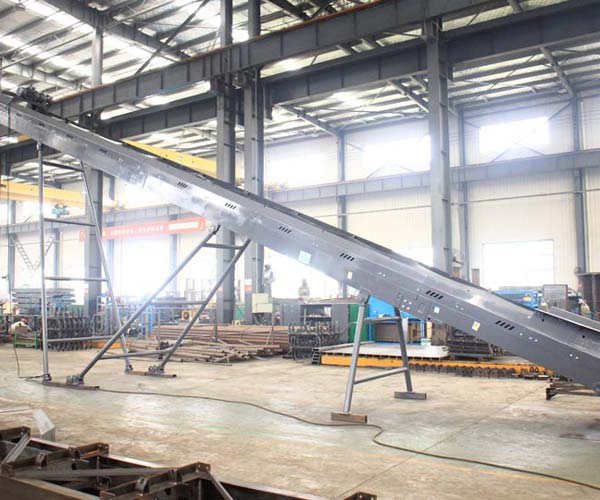
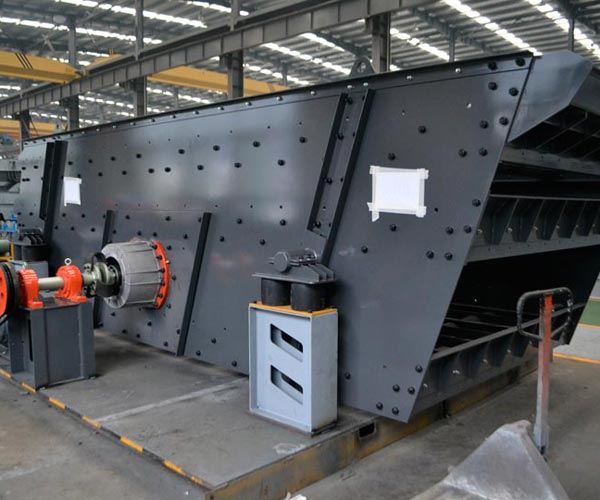
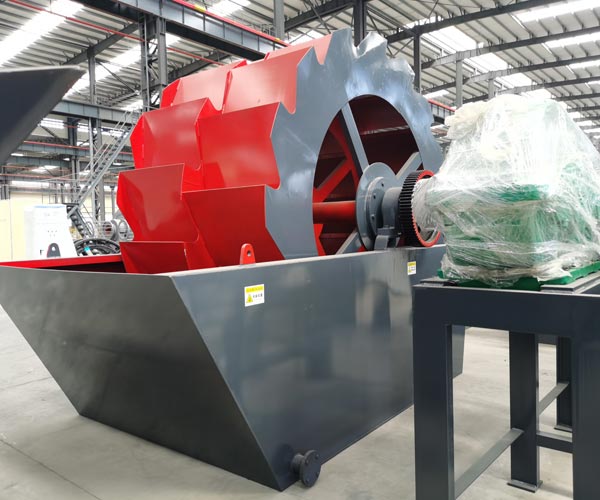
A typical production line includes vibrating feeders, jaw crushers, secondary crushers, vibrating screens, belt conveyors, and optionally VSI crushers and washing equipment.
Our Projects
 No. 1688, East Gaoke Road,Pudong new district, Shanghai, China
Copyright © ZENITH, All Right Reserved.

 WhatsApp: