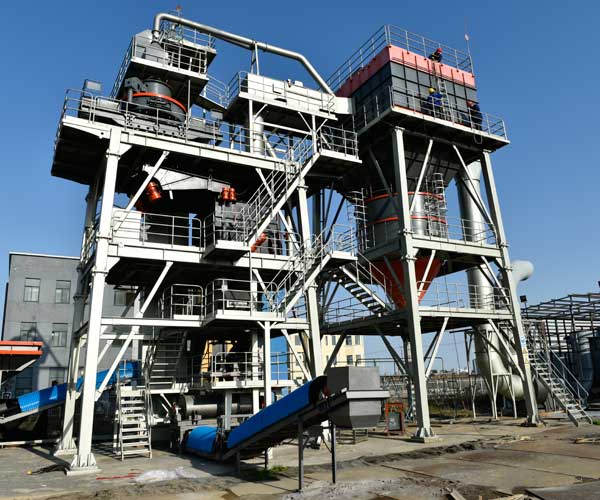
Understanding the Role of Limestone Crushers in Small Production Lines
Limestone crusher machines are designed to break down large pieces of limestone into smaller, manageable sizes suitable for further processing or direct use. The machines are essential components in industries like construction materials, road building, and chemical manufacturing.
- In small crushing plants, the crusher serves as the heart of the production line.
- It reduces raw limestone rocks into uniform sizes for easier handling and use.
- The machines also help minimize waste and increase plant efficiency by ensuring consistent material output.
A typical small limestone crushing plant may produce between 20–100 tons per hour (TPH), which makes energy efficiency and operating cost key considerations for equipment selection.
Comparing the Types of Limestone Crushers for Smaller Operations
Different crushers are designed for specific crushing stages and material characteristics. Understanding their performance helps in selecting the most economical option.
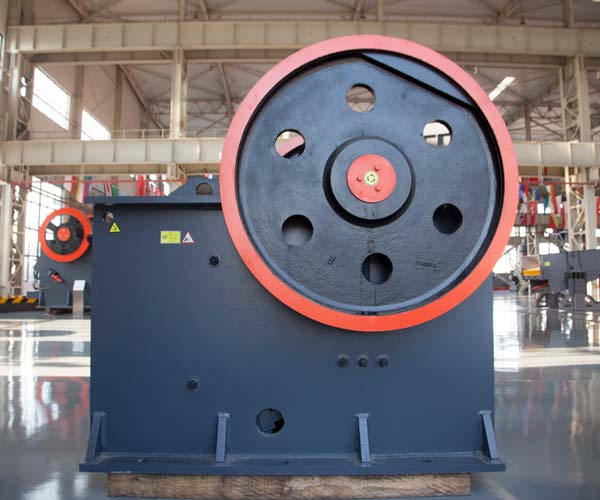
- Jaw crusher: Ideal for primary crushing; it handles large chunks of limestone efficiently. Prices for small models range from $2,000 to $15,000.
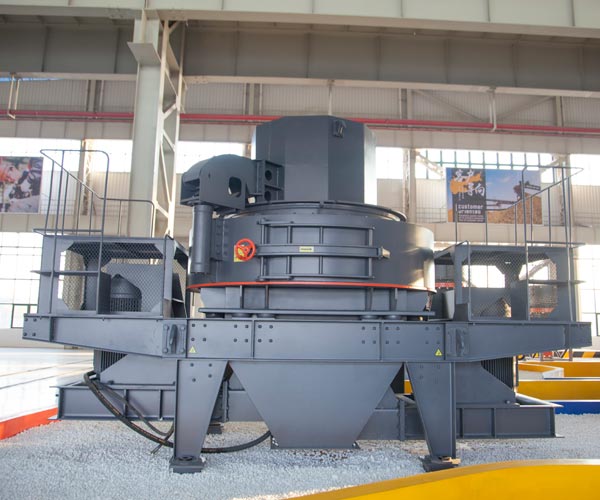
- Impact crusher: Excels at producing uniform cubical particles; suitable for secondary crushing. Prices usually start from $5,000 and can exceed $30,000 for advanced models.
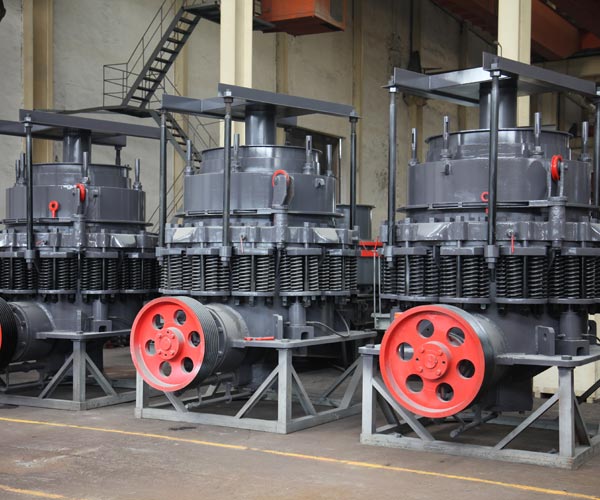
- Cone crusher: Offers high capacity and fine crushing capability but comes at a higher cost, often between $15,000–$45,000.
- Hammer crusher: Cost-effective for soft to medium-hard limestone, with prices typically ranging from $1,500 to $10,000.
A small plant might combine a jaw crusher for primary crushing and a hammer or impact crusher for secondary processing to achieve balance between cost and efficiency.
How the Production Capacity and Output Size Affect Equipment Costs
In limestone crushing operations, the desired capacity and output size directly correlate with machinery cost.
- Smaller capacity systems (10–40 TPH) require lighter machines, which are cheaper and easier to maintain.
- Medium-capacity systems (50–80 TPH) need stronger motors and sturdier designs, pushing prices upward.
- Output size influences the configuration; smaller output sizes often need additional crushing or screening equipment.
For example, a machine designed to produce fine powder for cement filler will cost more than one designed for basic gravel production.
Assessing the Advantages of Portable and Mobile Limestone Crushers
For small operations or projects in remote areas, mobile crushers provide flexibility and reduce infrastructure investment.
- Mobile crushers eliminate the need for permanent foundations and can move between sites.
- They combine feeding, crushing, and screening in one frame.
- Prices range widely from $20,000 to $100,000 depending on configuration and mobility level.
Portable crushers are particularly suitable for contractors or small quarries that supply local construction markets.
Comparing Limestone Crusher Prices Between Global Regions
Prices for limestone crusher machines vary widely across regions, influenced by labor, production costs, and import taxes.
- China: Offer some of the most competitive prices due to large-scale manufacturing and lower labor expenses.
- Europe and North America: Machines are higher-priced but generally feature advanced technology and stricter quality standards.
- Middle East and Africa: Often source affordable machines from Asian markets.
Small plant owners often import machines from Asia to balance cost and performance, though local after-sales support should be considered.
Maintenance and Operational Costs for Small Limestone Crushing Units
Beyond purchase, ongoing costs are vital for small plant viability.
Limestone’s softness reduces wear, lowering part replacement costs per ton compared to harder stones.
Annual maintenance: Typically 5-10% of machine cost, including lubricants and inspections.
Energy: For 50-80 tph, expect $0.50-$1.00 per ton in electricity or fuel.
Proper maintenance extends machine life to 10-15 years, improving ROI.
 No. 1688, East Gaoke Road,Pudong new district, Shanghai, China
 WhatsApp: