Email Us:
[email protected]
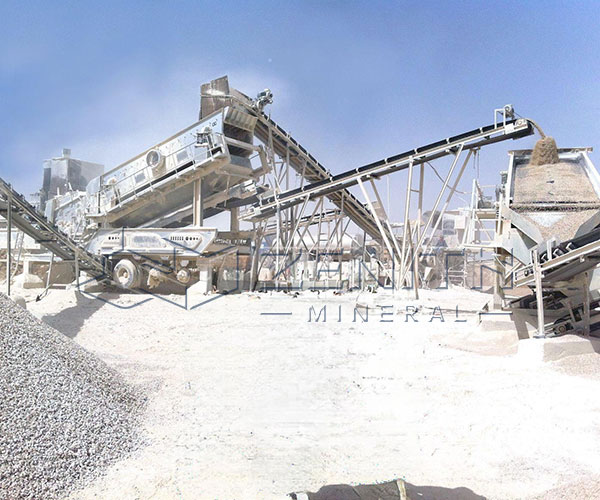
Choosing the right stone crusher machine requires balancing technical needs, production capacity, material characteristics, and price.Stone crusher machines are essential equipment for construction and mining projects. They break down large rocks into usable aggregates for building roads, homes, and infrastructure.
Stone crusher machines reduce large stones into gravel, aggregates, or dust for construction and mining. Choosing the right type affects both output quality and total investment.
Different applications demand different machine types, capacities, and configurations. These differences play a major role in price.
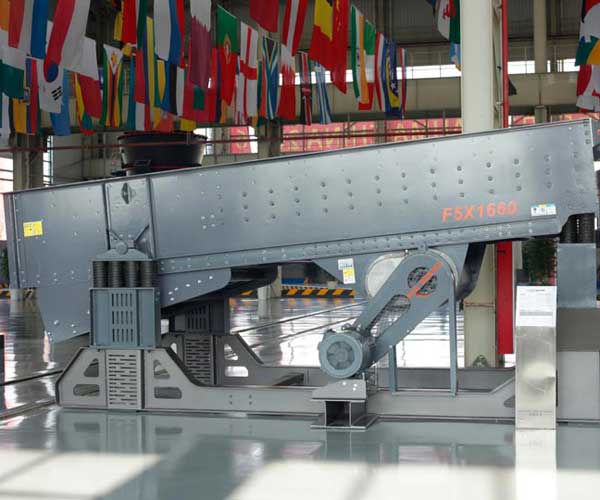
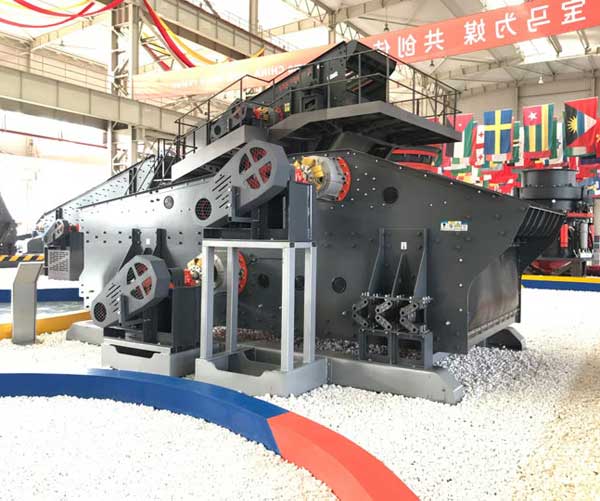
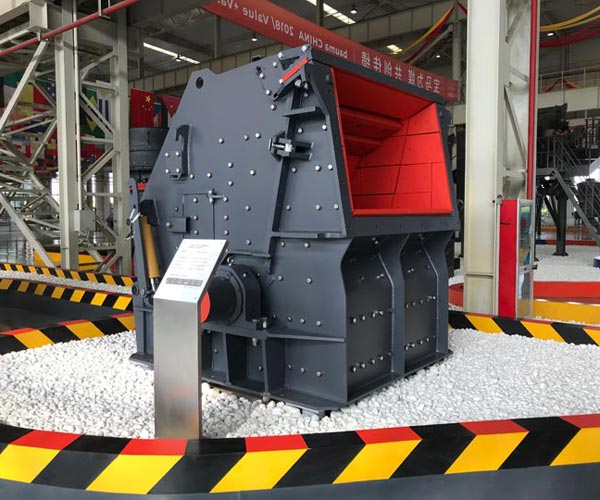
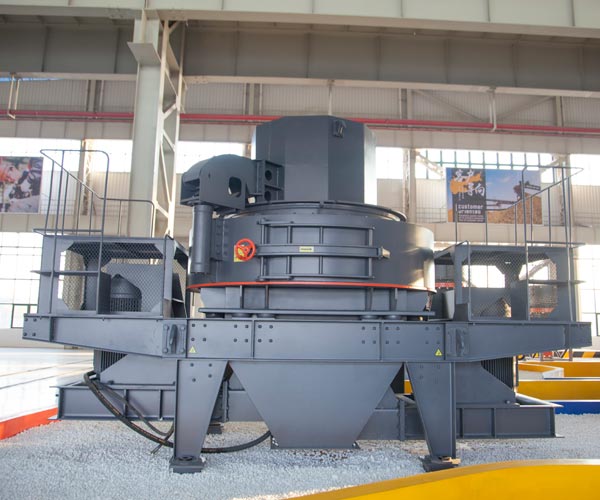
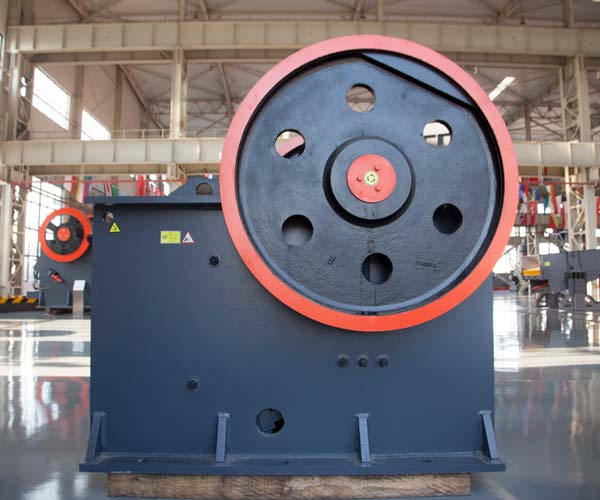
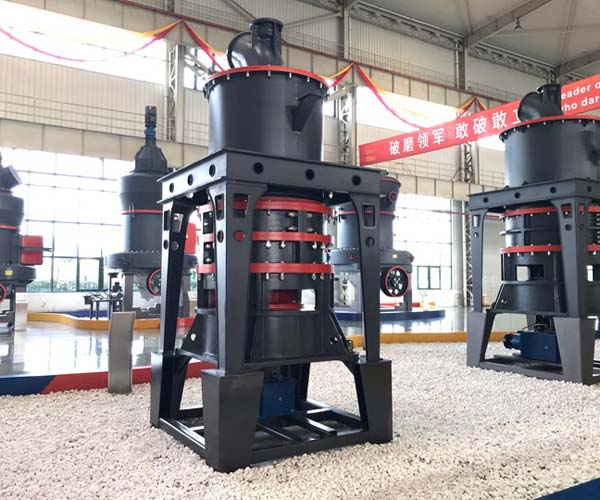
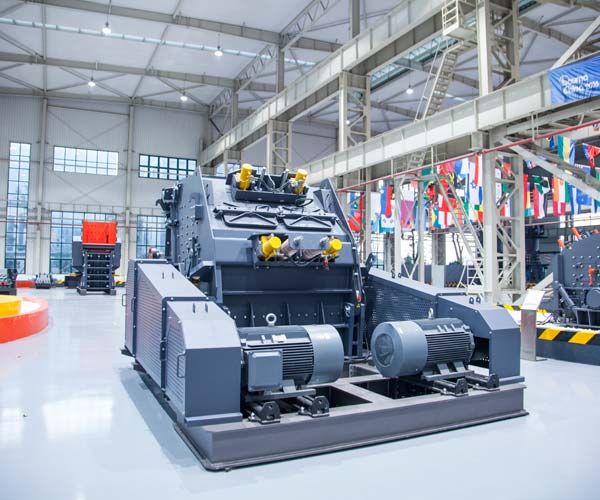
Stone crushers come in several mechanical varieties, each offering distinct advantages.
To demystify costs, here’s a snapshot of price ranges for common models, based on global averages. Note: Prices exclude taxes, shipping, and customizations.
Crusher machines can be segmented based on scale and output expectations.
Cost differences are significant, so buyers must align machine class with project demand instead of just chasing the lowest price.
The physical properties of stone materials influence machine selection more than any other factor.
Best matched with jaw and cone crushers.
Impact crushers handle these well due to uniform output.
Hammer mills or impact crushers offer cost-efficient processing.
Analyzing stone hardness, moisture levels, and abrasion helps avoid breakdowns and extends machine life.
Different projects demand different performance characteristics. Matching specifications prevents overspending and operational bottlenecks.
Our Projects
 No. 1688, East Gaoke Road,Pudong new district, Shanghai, China
Copyright © ZENITH, All Right Reserved.

 WhatsApp: