Email Us:
[email protected]
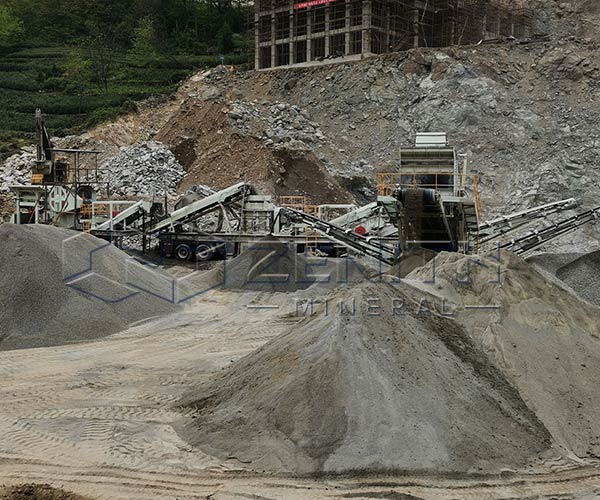
A stone crusher plant in the Philippines offers strong business potential due to continuous demand for aggregates from construction and infrastructure projects.Whether starting a small 50 TPH plant or developing a large 500 TPH quarry operation, selecting the right crushing solution is essential for achieving efficient production and long-term profitability.
The Philippines has a rapidly growing demand for aggregates due to infrastructure development, residential construction, road expansion, and mining activities. Stone crusher plants play a critical role in producing crushed stone, gravel, and manufactured sand required for concrete production and road construction.
Major government infrastructure programs, urban development projects, and commercial construction activities continue to increase the demand for high-quality aggregates.
The Philippines has abundant mineral resources, including limestone, granite, basalt, river stone, and other hard rocks suitable for aggregate production.
Quarry operators and investors are increasingly choosing modern stone crushing plants to improve production efficiency, reduce operating costs, and meet strict aggregate quality requirements.
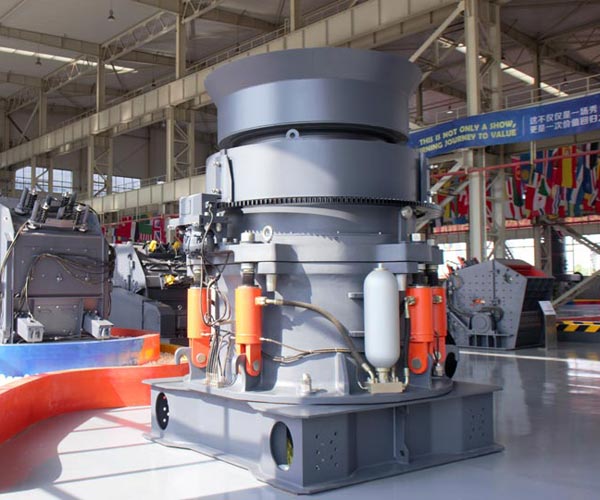
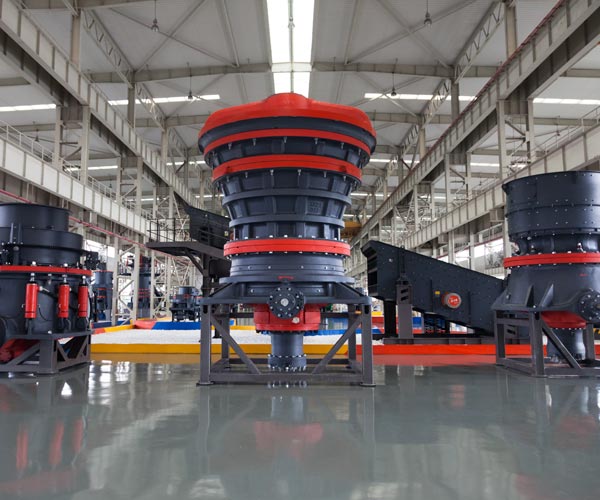
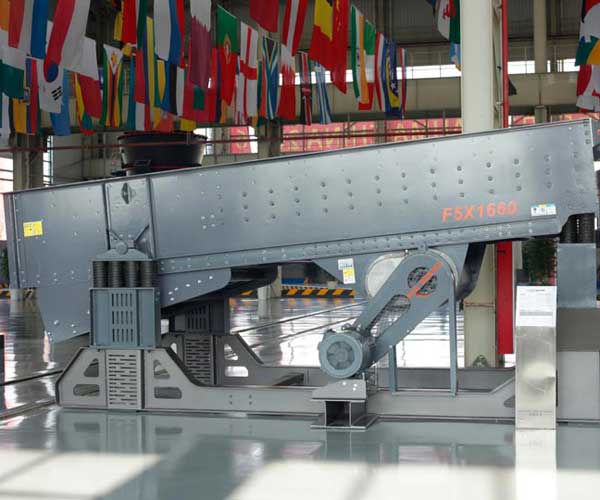
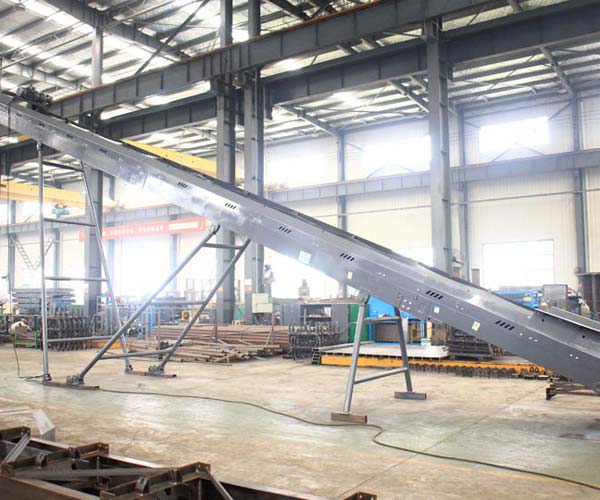
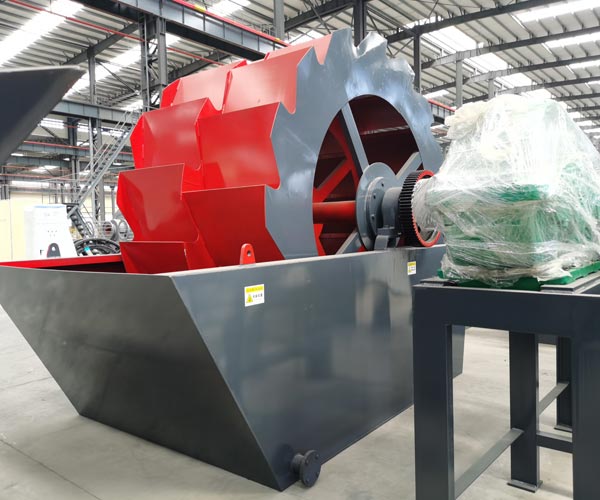
A stone crusher plant is a complete production system that processes large rocks into different sizes of aggregates through multiple crushing and screening stages. Depending on production requirements, the plant may include jaw crushers, cone crushers, impact crushers, sand making machines, vibrating screens, feeders, and conveyors.
A stone crusher plant is an industrial facility designed to crush large stones into smaller particles for construction and industrial applications. The final products usually include crushed stone, gravel, and manufactured sand.
A complete stone crushing plant can produce aggregates ranging from coarse materials such as 20–40 mm gravel to fine materials such as 0–5 mm artificial sand.
Different quarry projects require different crushing solutions depending on raw material properties, production capacity, and final product requirements.
Stationary crushing plants are widely used in large-scale quarry operations where long-term production is required.
For example, a 200 TPH stationary crushing plant can efficiently produce several types of aggregates for commercial construction projects.
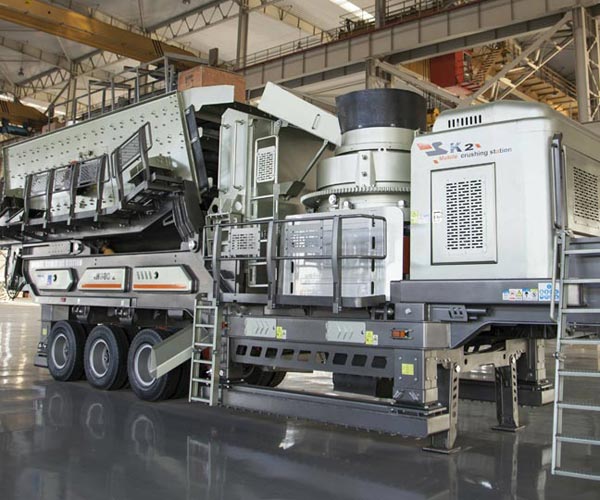
Mobile stone crusher plants are becoming increasingly popular in the Philippines because they provide flexibility for different quarry locations.
A mobile crushing plant may combine a jaw crusher, impact crusher, cone crusher, and screening unit on crawler or wheel-mounted platforms.
The Philippines has various types of rocks suitable for aggregate production. The choice of crusher equipment depends largely on material hardness and abrasiveness.
Limestone is one of the most widely processed materials in the Philippines because of its availability and relatively easy crushing characteristics.
Granite and basalt are hard rocks commonly used in high-strength construction projects.
High compressive strength.
Excellent durability.
Suitable for highways, bridges, and heavy-duty infrastructure.
Because hard rocks cause more wear, selecting wear-resistant crushing equipment is important for reducing maintenance costs.
The cost of establishing a stone crusher plant in the Philippines depends on many factors, including capacity, equipment selection, raw material type, and automation level.
Estimated cost:Around USD 100,000–300,000.
Estimated cost:Around USD 300,000–800,000.
Suitable for:
Estimated cost:USD 800,000–2 million or higher.
Equipment prices vary widely according to brand, capacity, automation level, and whether the plant is stationary or mobile. Figures below are approximate ranges in USD based on recent market references and do not include land, permits, or full civil works.
Additional costs for foundations, electrical connections, dust control systems, and generators can add 20–40 percent depending on site conditions. Sea freight to Manila or other ports, local installation, and commissioning further increase the total investment.
The cost usually ranges from USD 100,000 for small plants to more than USD 2 million for large-scale crushing systems. The final price depends on capacity, equipment type, and installation requirements.
Jaw crushers combined with impact crushers or cone crushers are commonly used for limestone processing. VSI crushers are recommended when high-quality manufactured sand is required.
A crusher plant can produce from 50 TPH to more than 500 TPH depending on equipment configuration and production requirements.
Yes. Mobile crushers are suitable for remote quarry sites because they are easy to move, install, and operate with lower infrastructure requirements.
Investing in a stone crusher plant in the Philippines can be a profitable opportunity due to strong demand for aggregates from construction and infrastructure projects.
Whether for a small quarry or a large aggregate production business, a properly designed stone crushing plant can provide stable production, high-quality materials, and long-term economic benefits.
Our Projects
 No. 1688, East Gaoke Road,Pudong new district, Shanghai, China
Copyright © ZENITH, All Right Reserved.

 WhatsApp: