Email Us:
[email protected]
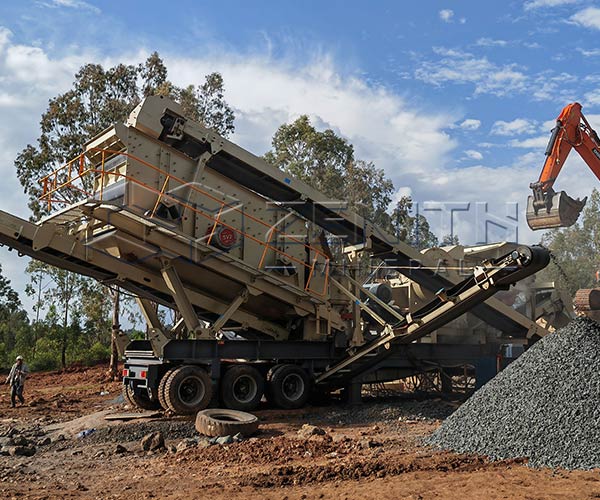
Stone crusher prices in the Philippines range from hundreds of thousands for small portable units to tens of millions for large plants. Small projects prioritize affordability and mobility, while large ones focus on capacity and reliability. Thorough research, supplier consultation, and total cost analysis ensure the best investment for any scale.
Stone crusher pricing in the Philippines depends mainly on machine type, production capacity, mobility, brand, and after-sales service.
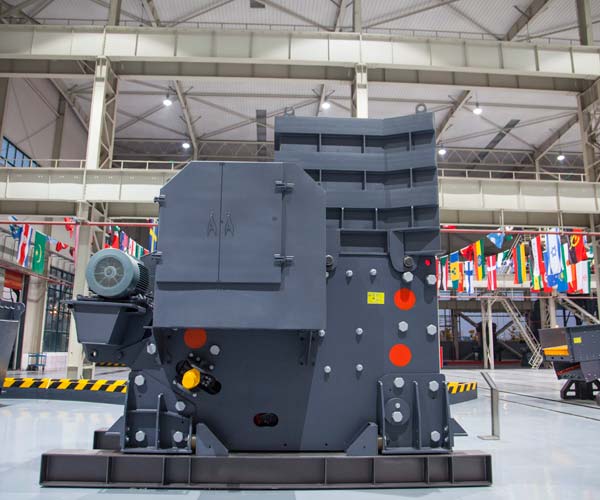
Small projects usually need compact jaw, cone, or impact crushers, while large projects often require complete crushing plants or mobile crushing lines.
Buyers should compare not only the initial price but also installation, spare parts, maintenance, and transport costs.
Further discussion highlights financing options, leasing for small projects, and government incentives for local aggregate production to reduce import dependency.
For small quarrying, local construction, and rental-type work, entry-level crushers are usually the most affordable option.
These machines offer flexibility for on-site crushing, reducing aggregate transportation costs. Their lower initial investment allows contractors to achieve a faster return on investment (ROI), while their compact size makes transportation by truck or ferry easier across the Philippines. In addition, their simple design helps reduce maintenance requirements, making them suitable for projects in rural areas with limited technical resources.
Buyers should also compare fuel efficiency, maintenance costs, and spare parts availability before making a purchasing decision.
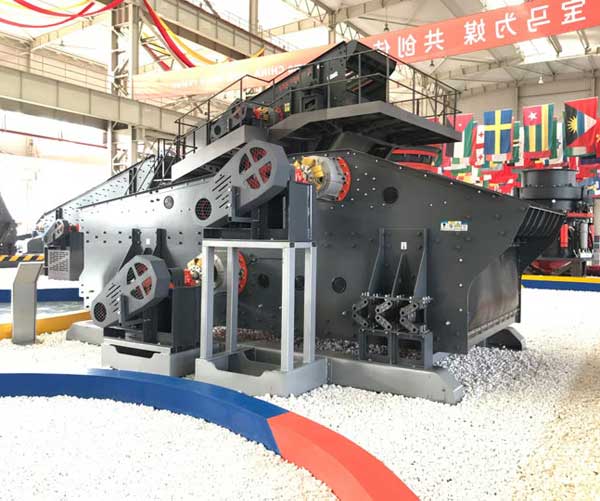
Integrated screening systems, belt conveyors, and automated control features improve productivity but also increase the overall equipment price.
Large infrastructure, quarry, mining, and aggregate production projects typically require complete crushing plants instead of a single crusher. These operations demand high-capacity equipment capable of continuous production while maintaining consistent aggregate quality.
Market references indicate that mobile crusher prices in the Philippines typically range from USD 210,000 to USD 280,000 for 50–80 TPH units, while 80–120 TPH models generally cost between USD 315,000 and USD 440,000.
Larger track-mounted or specialized mobile crushing plants can exceed USD 460,000, particularly when equipped for heavy-duty continuous production with advanced automation and screening systems.
For large projects, the investment decision should focus not only on the purchase price but also on whether the crushing plant can sustain production targets, minimize relocation time, and keep major construction projects on schedule.
Capacity is usually the biggest price driver: higher tph means higher investment.
Mobile crushers generally cost more than stationary systems at similar output because they include chassis, transport systems, and greater flexibility.
Brand reputation, import status, taxes, freight, and local supply conditions also affect the final quotation.
After-sales support can raise upfront cost, but it often lowers lifetime expense by reducing downtime and repair delays.
Small contractors and startup quarries should focus on compact machines that stay below the first major investment threshold and match limited site output.
Medium users often move toward complete 50 tph to 100 tph crushing setups when single-machine output is no longer enough.
Large mining and construction firms usually evaluate 100 tph to 200 tph or higher, especially when the project requires steady aggregate production.
Stationary plants are usually better when the worksite is fixed and production is continuous.
Mobile plants are better when projects move frequently or when the buyer needs fast setup and flexible deployment.
In the Philippines, mobile options are often attractive because contractors may work across multiple islands or changing project sites.
The better choice depends on whether relocation savings are more valuable than the higher purchase price.
A small limestone or gravel crushing project may begin with a compact crusher budget of less than USD 18,000, especially when production requirements are relatively low.
A medium-sized contractor may require a complete crushing solution with a budget ranging from USD 35,000 to USD 210,000, depending on capacity, equipment configuration, and automation features.
Large mobile crushing projects typically require investments ranging from USD 210,000 to more than USD 460,000, particularly for high-capacity systems designed for continuous aggregate production.
These figures should be used as general planning references, as actual prices vary according to the equipment supplier, machine specifications, optional features, shipping costs, and after-sales service packages.
Our Projects
 No. 1688, East Gaoke Road,Pudong new district, Shanghai, China
Copyright © ZENITH, All Right Reserved.

 WhatsApp: