Email Us:
[email protected]
Stone crusher prices in the Philippines depend on machine type, capacity, automation level, and supplier. Small hammer crushers are the most affordable option, while large mobile crushing plants represent the highest investment.For most quarry and mining operations, jaw crushers provide the best balance between purchase cost, durability, and production efficiency. Cone crushers are recommended for producing high-quality aggregates, while impact crushers are suitable for softer materials and recycling applications.
Stone crusher pricing in the Philippines is shaped by more than machine size alone. Buyers usually compare output capacity, mobility, brand origin, after-sales service, and installation needs before deciding on a final budget.
Import taxes, transport, and local support also affect the landed cost.
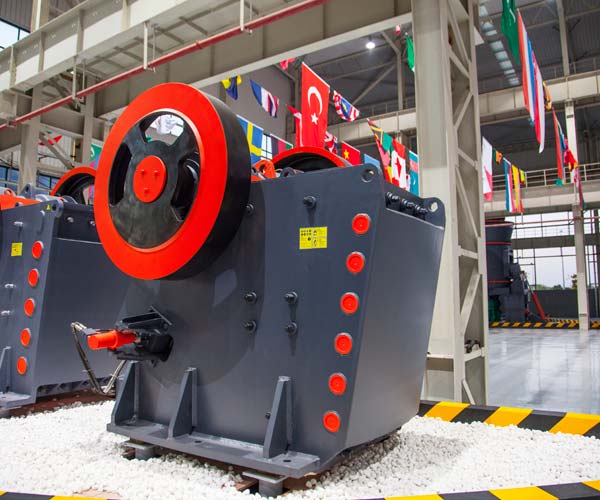
Jaw crushers are often the first choice for primary crushing because they handle hard rock well and produce a stable feed for secondary equipment. In Philippine market references, smaller jaw crushers are the lowest-cost option, making them suitable for contractors and quarry operators who want strong initial crushing performance without a large capital outlay.
Best for: granite, basalt,Limestone, river stone, and general hard aggregates.
Typical use: primary reduction in quarry and mining plants.
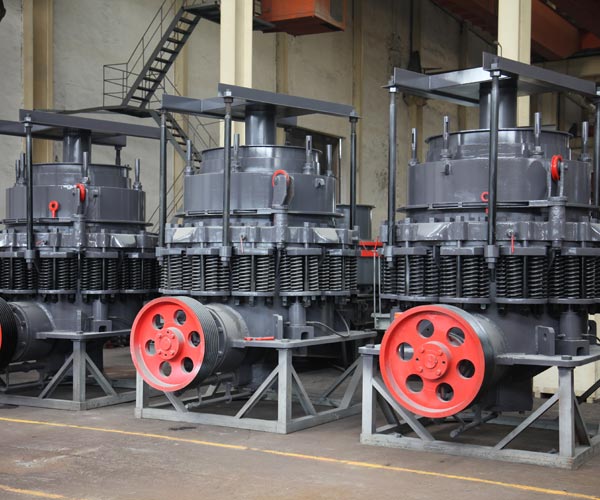
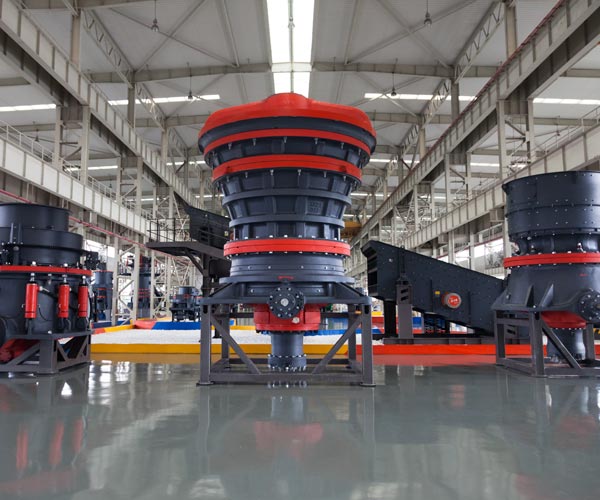
Cone crushers usually cost more than basic jaw crushers because they are designed for finer output, better cubic shape, and more efficient secondary or tertiary crushing. They are a strong fit for operations that need consistent aggregate quality for concrete, asphalt, or road base production.
Best for: Quarry plants,Aggregate production,Highway construction,Railway ballast.
Typical use: secondary and tertiary stages.
Impact crushers are popular where finished product shape matters more than extreme abrasion resistance. They are often used for limestone, medium-hard stone, and recycling applications, and their price typically depends on rotor size, wear-part design, and the desired output specification.
Best for: limestone, construction waste, and medium-hard stone.
Typical use: shaping aggregate and improving product cubicity.
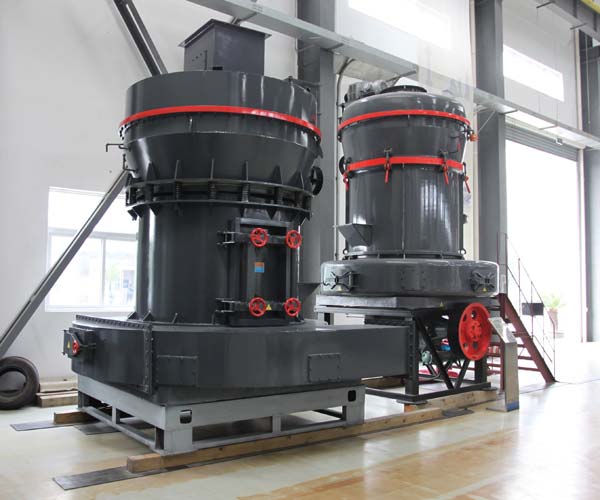
Hammer crushers are ideal for crushing medium-hard and brittle materials.
Applications include:Cement plants,Brick factories,Coal crushing,Gypsum processing
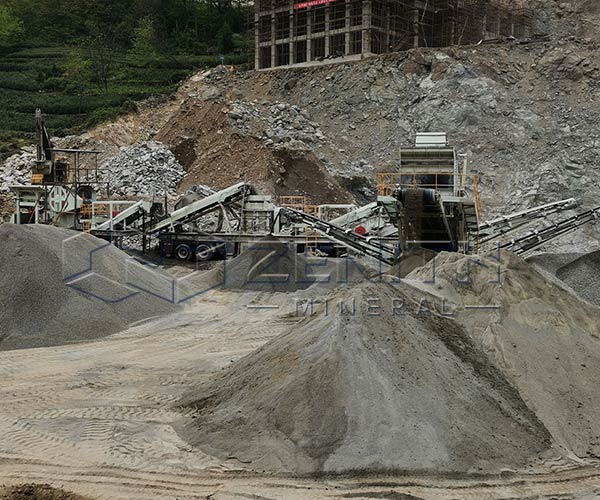
Mobile crushers command a premium because they combine crushing, screening, and transportability in one platform. In the Philippines, mobile crushers are in demand for projects that need frequent relocation, and market references show 50–80 tph mobile units starting around $214,300 – $285,700 USD, while 80–120 tph mobile units can reach $321,400 – $446,400 USD.
Best for: road projects, remote quarries, and contract crushing.
Typical use: fast relocation between sites.
Stationary stone crushing plants usually offer lower unit cost per ton over time, especially for fixed quarry sites with stable production plans. While the initial setup can still be substantial, these plants often deliver better economics for businesses that do not need to move equipment frequently.
Crusher prices do not stay fixed because many technical and commercial details affect the final quotation. Two machines with similar output can still have very different prices if one has a better engine, stronger frame, upgraded automation, or a more complete service package.
The best purchase is not always the cheapest one. A crusher that matches your rock type, target output, and project timeline often saves more money over its lifetime than a low-priced unit that wears out quickly or cannot meet production demand.
Compare not only purchase price, but also installation, fuel, spare parts, and downtime risk.
Our Projects
 No. 1688, East Gaoke Road,Pudong new district, Shanghai, China
Copyright © ZENITH, All Right Reserved.

 WhatsApp: