Email Us:
[email protected]
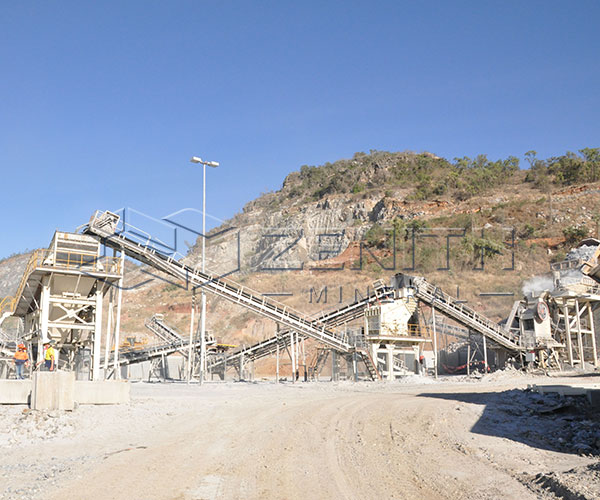
A complete sand production line may include feeding, primary crushing, secondary crushing, fine crushing, screening, washing, dewatering, and material conveying. The best configuration depends on the raw material, feed size, required sand specifications, production capacity, and investment budget.
Philippines’s construction industry, infrastructure development, and growing demand for high-quality aggregates have created opportunities for sand crushing and making equipment. From road construction and concrete production to commercial manufactured sand plants, choosing the right machinery is essential for achieving consistent product quality, reliable output, and efficient operating costs.
A complete sand production line may include feeding, primary crushing, secondary crushing, fine crushing, screening, washing, dewatering, and material conveying. The best configuration depends on the raw material, feed size, required sand specifications, production capacity, and investment budget.
This guide introduces the top 10 types of sand crushing and making machines for sale in Philippines, explaining their functions, advantages, applications, and key purchasing considerations.
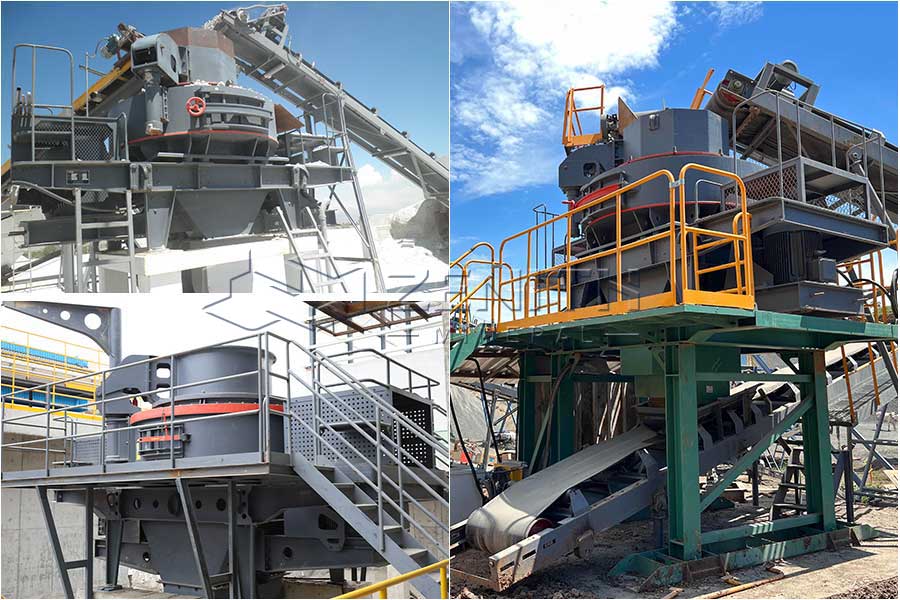
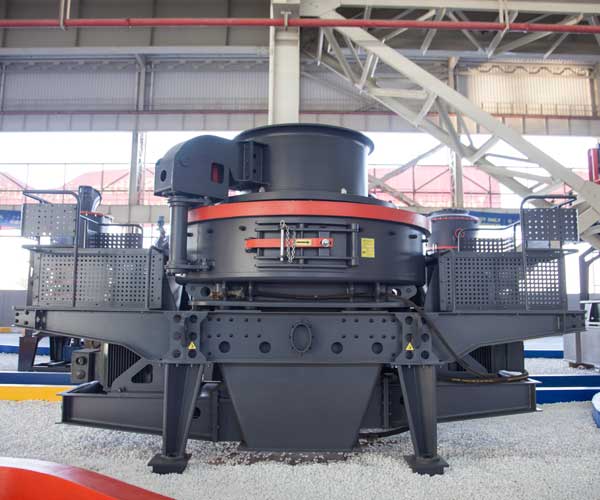
The VSI6X vertical shaft impact crusher is a leading choice for manufactured-sand production because it combines high reduction, strong particle shaping, and adjustable sand output. It uses rock-on-rock or rock-on-iron crushing principles to improve cubical shape and reduce flaky particles.
For buyers prioritizing concrete-grade sand, a VSI6X is usually the core machine. It should be paired with a vibrating screen and, where necessary, a sand washer or air classifier to control fines.
The B Series VSI sand maker is a proven, cost-effective option for quarries that need dependable manufactured-sand output without the complexity of a fully automated large plant. It is widely used as a general-purpose sand-making machine for aggregates and mine tailings.
This is a strong option for buyers who want a balance between investment cost, production capacity, and ease of operation. It is particularly suitable for provincial quarries serving local construction markets.
The VSI5X is designed for demanding hard-rock applications where abrasion resistance and continuous production are critical. Its deep-rotor design and wear-protection arrangement make it suitable for high-silica materials such as granite, quartzite, and river pebble.
Buyers processing highly abrasive stone should budget for spare rotor tips, anvils, liners, and bearings. A preventive-maintenance plan is essential to protect production continuity.
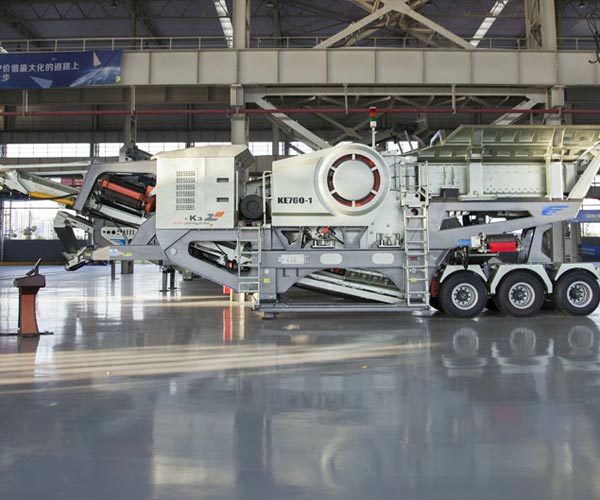
A mobile VSI sand making plant combines feeding, crushing, screening, and sometimes conveying equipment on a wheeled chassis. It is ideal for Philippinesese contractors and quarry operators that need to move between sites or produce sand close to the point of use.
Mobile plants are especially attractive where transporting natural sand is expensive or restricted. They allow producers to make sand near the project and reduce logistics costs.
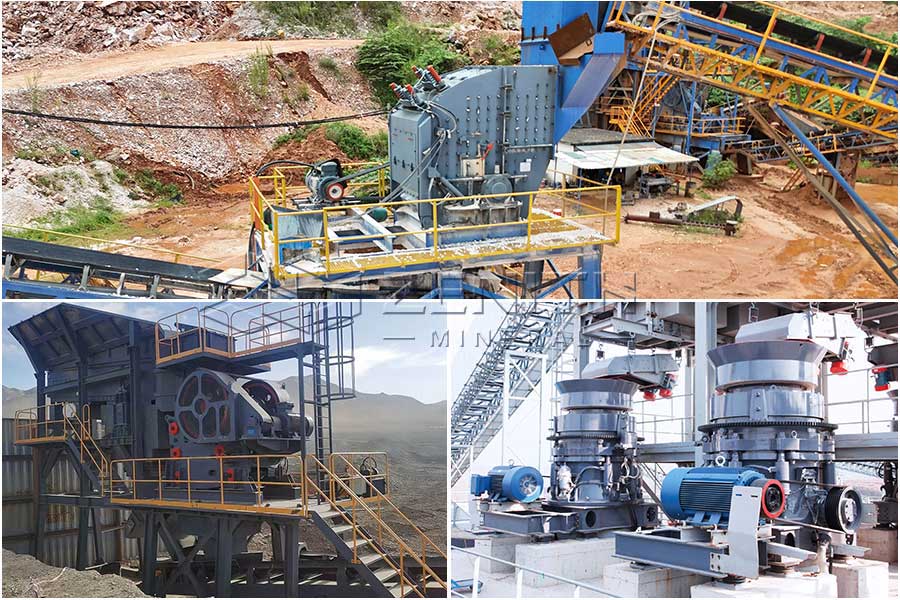
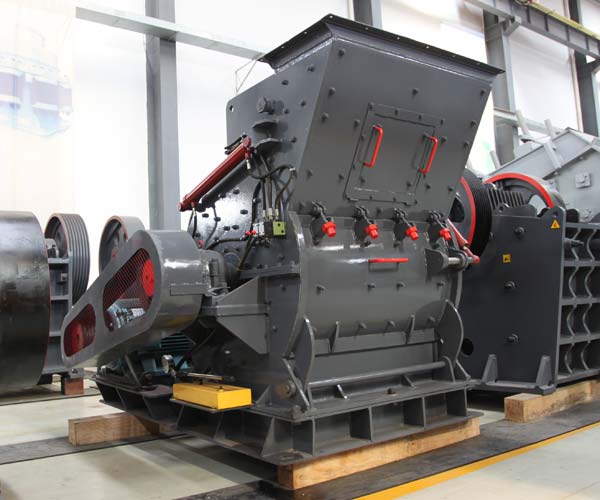
The jaw crusher is the first stage in most stationary sand-production lines. It accepts large quarry rock and reduces it to a size that cone crushers or impact crushers can process efficiently.
Choosing the correct jaw crusher depends on maximum feed size, rock hardness, and the capacity of downstream machines. Undersizing the jaw crusher creates a bottleneck and forces later equipment to work inefficiently.
A cone crusher is not always the final sand-making machine, but it is essential in many manufactured-sand lines. It reduces hard rock to a size suitable for VSI sand making and can also produce manufactured sand when configured with fine crushing chambers.
A typical high-capacity layout is: jaw crusher → cone crusher → VSI sand maker → vibrating screen → sand washer or classifier. This arrangement balances wear cost, energy consumption, and final product quality.
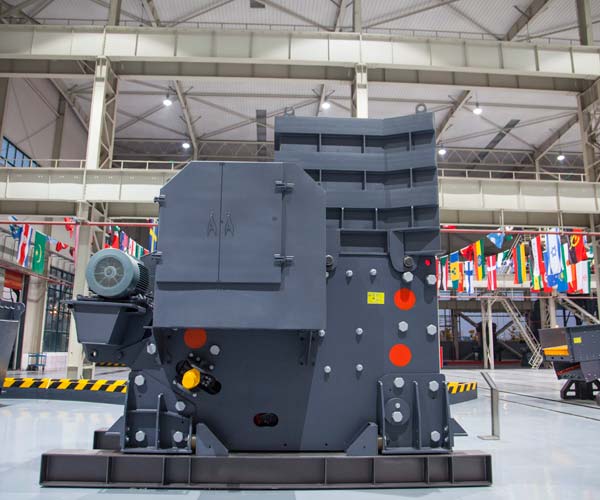
An impact crusher can serve as a secondary or tertiary crusher, particularly for medium-hard rock such as limestone. It produces a more cubical product than some other secondary crushers and can contribute to manufactured-sand production.
For highly abrasive granite or basalt, impact-crusher blow bars wear faster. In those cases, a cone crusher plus VSI combination is generally more economical over the machine’s life.
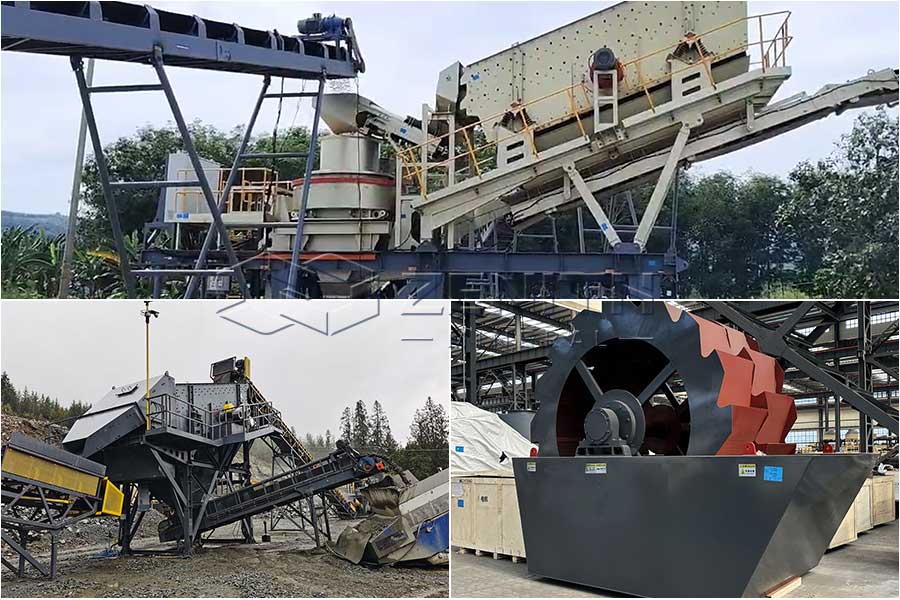
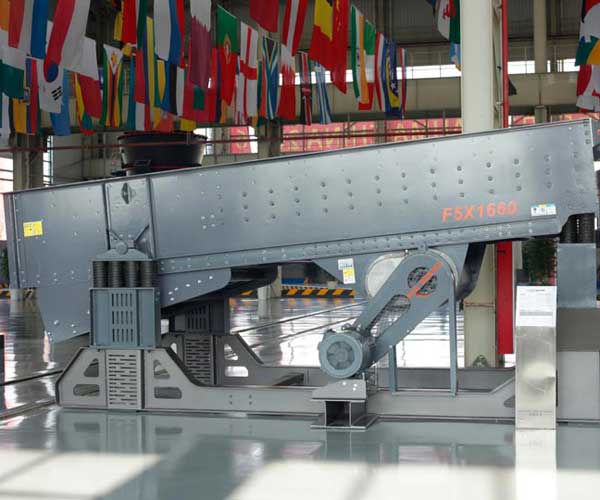
A vibrating screen is indispensable in any sand-making plant. It separates oversize material for return crushing, controls the final sand gradation, and removes unwanted coarse particles.
For concrete sand, screening accuracy is as important as crushing power. A poorly selected screen can leave too much oversize or produce excessive fines, both of which reduce the value of the final sand.
A sand washing machine removes clay, silt, dust, and light impurities from crushed sand. In Philippines, where concrete quality and dust limits are increasingly important, washing or air classification can be the difference between ordinary crushed fines and saleable manufactured sand.
Wet washing requires responsible water management. A practical Philippinesese plant should include settling tanks, fine-sand recovery, water recycling, and sludge dewatering to reduce operating cost and environmental impact.
For long-term quarry operations, a complete fixed line is usually the most cost-efficient route. A typical 100–200 TPH Philippinesese plant may include a jaw crusher, cone crusher, VSI sand maker, vibrating screens, belt conveyors, dust suppression, and electrical controls.
| Equipment type | Indicative budget range | Main use |
|---|---|---|
| Small VSI sand maker | US$10,000–40,000 | Small sand lines and pilot projects |
| Mid-size VSI sand maker | US$30,000–80,000 | 100–200 TPH commercial sand plants |
| Large VSI sand maker | US$70,000–180,000+ | 200–400+ TPH quarry plants |
| Mobile VSI crushing plant | US$100,000–400,000+ | Mobile and multi-site sand production |
| Complete fixed sand-making line | US$150,000–1,000,000+ | Turnkey quarry and infrastructure supply |
Buyers should request an itemized quotation covering the crusher, motor, control panel, spare wear parts, screens, conveyors, foundation drawings, installation, commissioning, and training.
Rather than purchasing all ten machines automatically, Philippinesese buyers should select equipment according to a complete plant design. A well-matched system can improve production stability, reduce avoidable operating costs, and deliver sand products that meet market requirements.
A VSI sand making machine is a common choice for producing manufactured sand from crushed rock. The best option depends on the raw material, required particle shape, feed size, and target capacity.
Yes. River pebbles can be processed into manufactured sand using suitable crushing, shaping, and screening equipment. Because they can be hard and abrasive, the crushing circuit and wear components must be selected carefully.
No. Washing is necessary when the raw material contains excessive clay, silt, or other contaminants, or when product specifications require it. Clean feed materials may need less treatment.
The investment varies significantly with capacity, machine types, automation, material properties, and installation requirements. A small standalone machine costs much less than an integrated crushing, screening, washing, and sand-making plant.
Our Projects
 No. 1688, East Gaoke Road,Pudong new district, Shanghai, China
Copyright © ZENITH, All Right Reserved.

 WhatsApp: